Product Overview
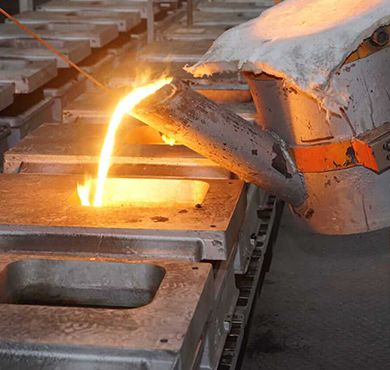
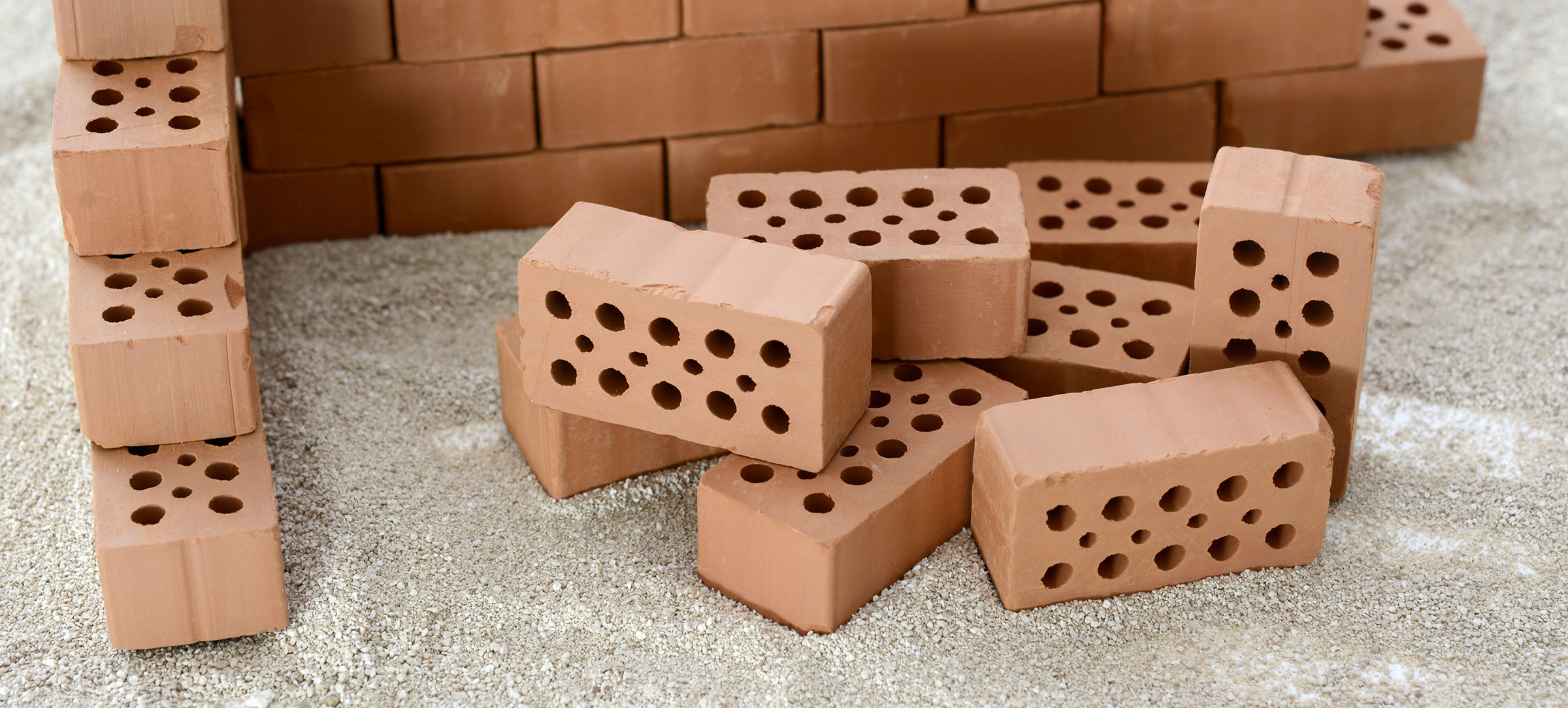
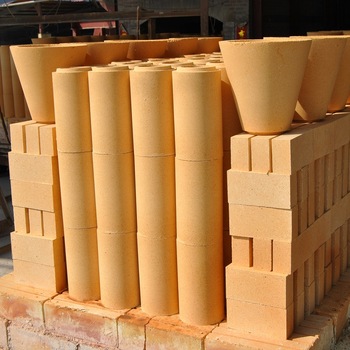
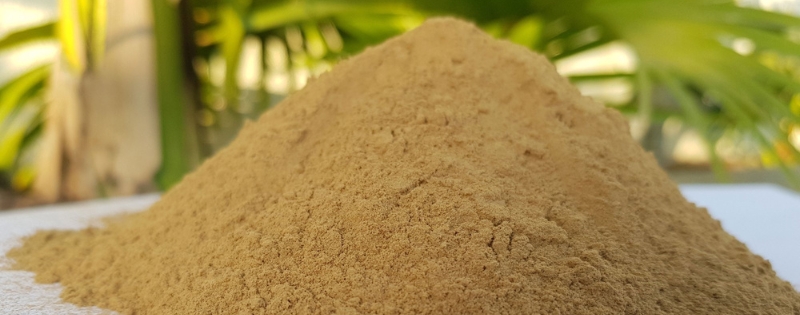
Refractory Grade Bentonite Powder is a specialized high-temperature binder used in the production of heat-resistant materials like firebricks, kiln linings, and foundry molds. While most bentonites are used for sealing, this grade is chosen for its ability to maintain structural integrity under extreme thermal stress.
Key applications in refractory manufacturing:
- Firebrick and heat-resistant brick production
- Furnace and kiln linings
- Refractory castables and mortars
- Foundry mold coatings
Our Refractory Grade Bentonite is specially processed to provide high green strength, hot strength, and exceptional thermal stability, making it ideal for the most demanding high-temperature applications.
High-Temp Binding
Maintains integrity under heat
Enhanced Plasticity
Easy to mold and shape
Thermal Shock Resistant
Prevents cracking
Dimensional Stability
Controlled shrinkage
Benefits of Refractory Grade Bentonite
Our Refractory Grade Bentonite is engineered to withstand extreme temperatures while providing superior binding and workability. Its unique properties make it essential for high-quality refractory production.
Here are the primary benefits of using refractory grade bentonite:
1. Superior High-Temperature Binding
Refractory materials (like alumina or silica) are non-plastic, meaning they don't stick together on their own.
The Benefit: Refractory bentonite acts as the "glue" that holds these heat-resistant grains together. It provides high green strength (strength before firing) and hot strength (strength while inside the furnace), ensuring the bricks or linings don't crumble when they get white-hot.
2. Enhanced Plasticity and Workability
Working with refractory cements and mortars can be difficult because they tend to be "short" or crumbly.
The Benefit: Adding a small percentage (usually 2–5%) of refractory bentonite significantly improves the plasticity. This makes the mix easier to mold, trowel, or extrude into complex shapes like rocket nozzles, furnace crucibles, or intricate kiln furniture.
3. Resistance to Thermal Shock
Rapidly heating or cooling a furnace can cause standard materials to crack and shatter.
The Benefit: Bentonite helps create a more uniform, dense matrix within the refractory body. This improved density allows the material to expand and contract more evenly, significantly reducing the risk of thermal spalling (surface peeling) and cracking during temperature cycles.
4. Controlled Shrinkage and Dimensional Stability
One of the biggest challenges in firing ceramics and refractories is that they shrink as they dry and bake.
The Benefit: Refractory grade bentonite is processed to provide a predictable shrinkage rate. By filling the microscopic voids between larger refractory aggregates, it helps the final product maintain its exact dimensions, which is critical for precision-fitted kiln linings.
5. Suspension in Refractory Coatings
Refractory "washes" or coatings are often painted onto molds to prevent molten metal from sticking to them.
The Benefit: Because of its thixotropic properties, bentonite keeps the heavy refractory minerals (like zircon or graphite) suspended in the liquid coating. This ensures an even, consistent protective layer that doesn't settle at the bottom of the bucket.
Technical Specifications
For detailed specifications and technical data sheets:
Request Specifications