Product Overview
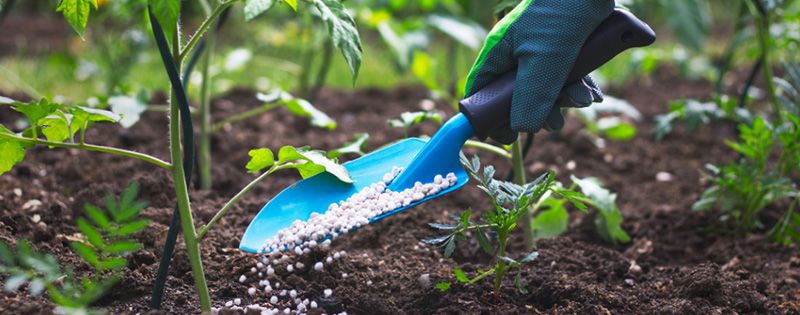
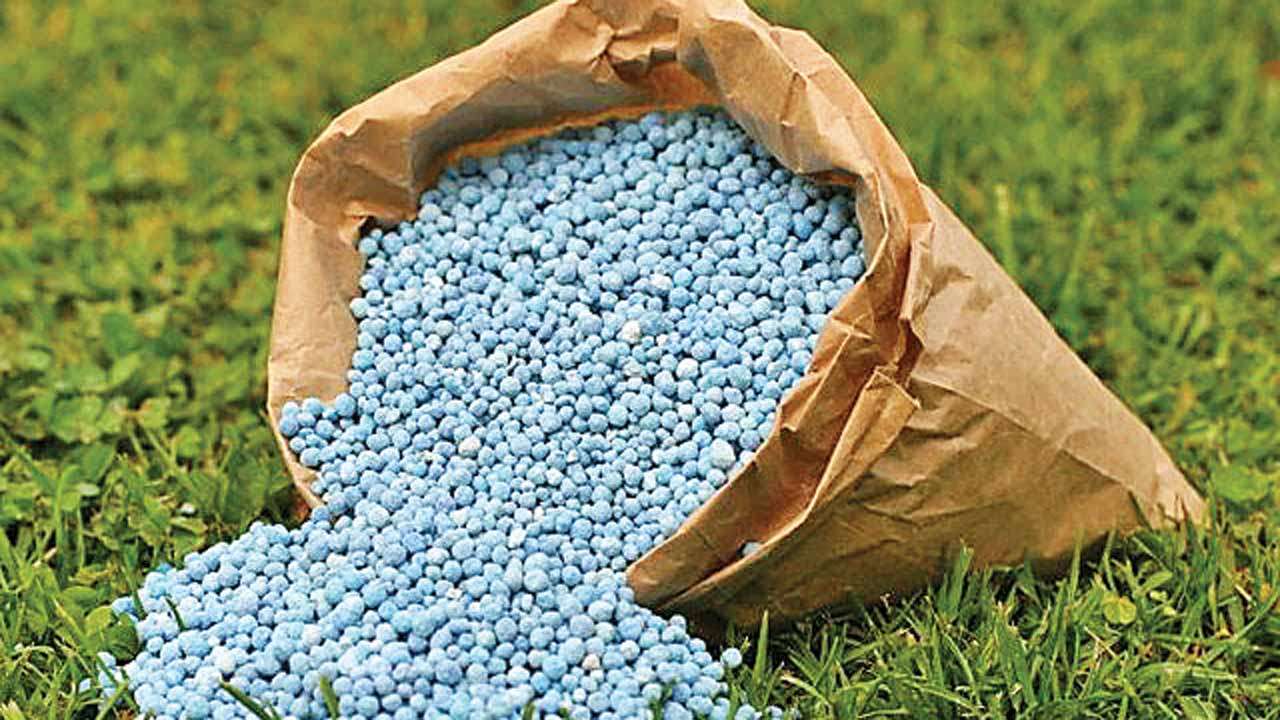
Fertilizer Grade Bentonite is a dual-purpose material. It is used by manufacturers as a high-performance binder and carrier during production, and by farmers as a soil conditioner that improves nutrient efficiency.
Key applications in agriculture and fertilizer production:
- Slow-release nutrient carrier
- Fertilizer pellet binding and granulation
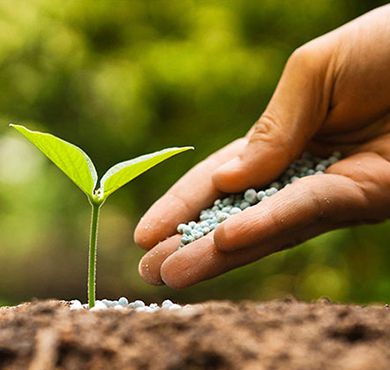
- Soil structure improvement
- Water retention enhancement
Our Fertilizer Grade Bentonite is specifically processed to provide optimal swelling properties and high cation exchange capacity, making it ideal for both manufacturing and agricultural applications.
Slow-Release
Controlled nutrient delivery
Strong Binding
Hard, durable pellets
Water Retention
Drought resistance
Soil Conditioner
Improves soil structure
Benefits of Fertilizer Grade Bentonite
Our Fertilizer Grade Bentonite serves dual purposes in modern agriculture - as a manufacturing aid for fertilizer producers and as a soil conditioner for enhanced crop productivity.
Here are the primary benefits of using fertilizer-grade bentonite:
1. Efficient "Slow-Release" Carrier
The most common use is in Sulphur-Bentonite fertilizers.
Controlled Delivery: Pure elemental sulphur cannot be absorbed by plants directly. When mixed with bentonite, the clay swells upon contact with soil moisture, breaking the sulphur into tiny particles that bacteria can easily convert into plant-usable sulphates.
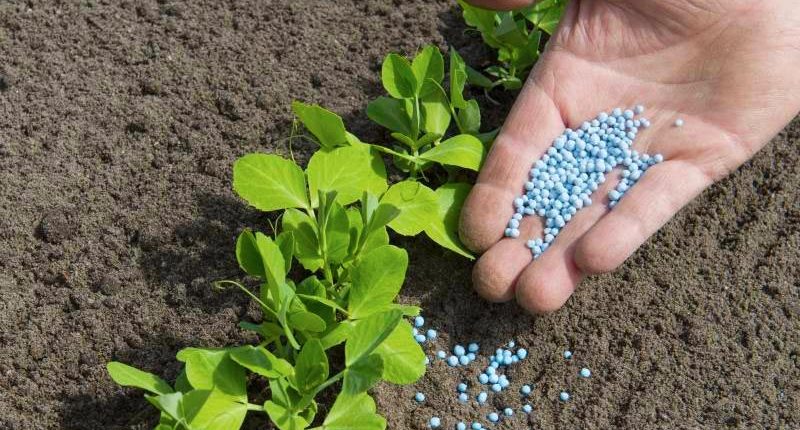
Reduced Leaching: It prevents nutrients from being washed away (leached) by heavy rain or irrigation, ensuring the fertilizer stays in the root zone for a longer period.
2. Superior Granulation & Binding
For fertilizer manufacturers, bentonite is an essential processing aid.
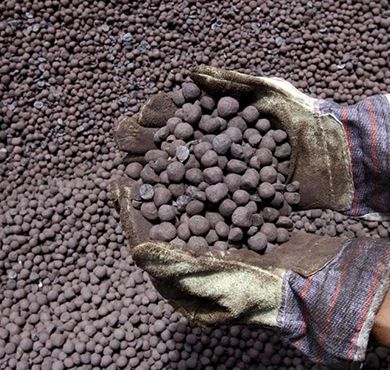
Harder Pellets: It acts as a natural "glue" that binds different nutrients (NPK, Zinc, Copper) into uniform, hard granules. This prevents the pellets from crumbling into dust during transport or mechanical spreading.
Anti-Caking: Its high absorption capacity keeps the granules dry and free-flowing, preventing them from sticking together in humid warehouses.
3. Soil Structure Improvement
When the fertilizer breaks down, the bentonite remains in the soil as a permanent amendment.
Sandy Soils: It binds loose sand particles together, increasing the soil's ability to hold both water and nutrients.
Clay Soils: In heavy clay, specialized bentonite granules can improve porosity and aeration, making it easier for roots to penetrate deeper.
4. High Cation Exchange Capacity (CEC)
Bentonite has a high "Cation Exchange Capacity," which essentially means it acts like a nutrient battery.
The Benefit: It holds onto positively charged nutrients (like Potassium, Calcium, and Magnesium) and prevents them from binding to other soil minerals. It then "releases" these nutrients to the plant roots on demand.
5. Drought Resistance
Because sodium bentonite can absorb several times its weight in water:
Water Reservoir: It acts as a micro-sponge in the soil, holding moisture during wet periods and slowly releasing it during dry spells.
Survival Rates: This significantly improves the survival rate of crops in arid regions or during unexpected droughts.
Technical Specifications
For detailed specifications and technical data sheets:
Request Specifications